

本站推荐电影
-
·现代汽车与工会达成初步薪资协议
·पैसा कमाने में अदाणी ग्रुप का रिकॉर्ड प्रदर्शन, 3 महीने व सालभर की आय ने चौंकाया, इन कंपनियों ने कराई खूब कमाई
·UN Security Council to Vote on 6-Month Extension of Cross-Border Humanitarian Aid to Syria’s Idlib
·逾半世纪娘惹粿糕老字号宣布停业 涌现顾客排队买古早味
·엔비디아 반등·국채금리 하락에 3대 지수 ‘활짝’ [뉴욕증시]
·Is the rapid growth of China’s emerging industries driven by industrial subsidies?: People’s Daily
·Tropical Storm Norma could become Category 3 hurricane before hitting Mexican resorts
·国际足联主席首次公开道歉
·铁路运输部门统筹运力、多方案 保障旅客假期出行安全畅通
·投诉月亮太亮影响睡觉,专家:12345应实名制
·Taiwan's 'status downgrade' complaint over Nagasaki memorial ceremony seating exposes DPP's illusion of seeking international recognition: mainland experts
·美媒:076最让人担忧的不是电磁弹射,而是其恐怖的生产速度!
·珠海彩民喜中双色球二等奖122万
·【和融 安全】安全过假期 欢乐迎新春——睿雅育英幼儿园寒假放假通知及温馨提示
·没想到对决老詹?哈特:看到揭幕战赛程我相当意外
本站推荐电视剧
-
·贝索斯离婚,世界上最富有的王位或所有权的改变
·瑞士天空:阿森纳已决定不续约帕尔特伊,沙特也在关注他
·知名网红女主播偷税被罚后“复活”,制售高仿大牌
·[绥中]县委常委会(扩大)会议召开
·百日千万招聘专项行动推出八万余人次需求
·泉河水磨历沧桑
·恒生活借款58好借的担保费超标,我要退多收的钱
·आज पांचवें दिन भी हड़ताल पर रहेंगे दिल्ली के वकील, एलजी के फैसले के खिलाफ कर रहे विरोध प्रदर्शन
·国外媒体调查安卓Q最期待的功能,暗模式再次被提及
·争取让企业在綦江投资能够多省钱、多赚钱
·预告|直击统一老坛酸菜生产链路,看见舌尖上的透明力量
·官宣定档!10000人,10月18日开跑
·美国证券交易委员会就Situational Awareness向华尔街银行发出传票
·自身多重问题导致美国通胀“高烧不退”
·新推出的Tremolo产品“multi flash”被微信屏蔽,会议很尴尬。
电影下载排行
-
·2026重庆责任福彩宣传周公益行走进巫山
·中国石化在四川发现储量3878亿立方米页岩气田
·钱塘区持续擦亮“银耀钱塘”企退文化品牌
·发改委今年披露了我国重点投资“建设”的五个方面:加快5g商业用途等。
·Actor Rajasekhar Undergoes Three-hour Surgery After Suffering a Leg Injury
·《大东北》为何选择抚顺?雷锋精神背后的故事即将揭晓
·梨园雅韵绽芳华
·湖人前老板麻烦缠身 资产无一安全&有坐牢可能性
·突发!北岸Browns Bay发生捅人事件!
·岗位学雷锋 振兴新突破丨强政治 重活动 抓队伍 打造雷锋式人大机关
·北京冬奥上火爆全球:谷爱凌获最佳女运动员表现奖
·动力或超700马力 大尺寸后扰流板 捷尼赛思GV60 Magma低伪谍照
·2025款欧拉好猫预售8.98万元起 智能化全面升级 售价降低
·Crane brought in to remove historic tree in England that was cut in act of vandalism
·托卡耶夫压倒性大胜,他干的第一件事,被解读为给普京“上眼药”,朔方瞭望,原创 托卡耶夫压倒性大胜,他干的第一件事,被解读为给普京“上眼药”
电视剧下载排行
-
·田径世锦赛,谢震业瞄准决赛
·定了!华为 Mate 50 喜提 5G_手机_系列
·《天堂》开发商二次元新作!《阿索拉:星之祈愿》开启测试玩家招募
·『再会』井上真央の “女に嫌われる女” がえげつない…もし真犯人なら好感度急落も待ったなし
·China's homegrown C919 aircraft completes 1st int'l commercial flight, lands in Mongolian capital
·“北京没有冰箱”背后,台湾“名嘴”为何一味炮制“大陆穷酸剧本”?
·【仓单】8月26日上期所沪锡期货仓单较上一日增长241吨
·小故事折射大优势 天津探索多党合作故事化表达新路径
·【汽车行业周报】行业大整顿:60天账期、车贷高息高返、抽查新车
·朝ドラ『ばけばけ』で最も演技が良かった男は? ベスト俳優(1)圧倒される…芝居の凄みを改めて証明した男は?
·卡尔:约基奇本可成历史前十 却被掘金耽误了
·广州海关:查获4吨烟花爆竹
·4,220-year-old rock art in SW China’s Yunnan reveals early cultural links with Southeast Asia
·联想承认 BIOS 更新导致 Legion Go 掌机变砖,受影响设备可免费维修
·留给葱哥的时间不多了?R星和《GTA6》都高兴的太早
复仇者联盟2
-
发布时间:2026-08-26
冒险岛2
Why China's favorability is rising across the Global South_我的网站

一 | 正值2026重庆责任福彩宣传周如火如荼开展之际,作为本次宣传周五大重点活动之一的“2026走进重庆福彩公益行”落地巫山县。
What explains China's growing appeal?
For many developing countries, China offers a practical development partnership centered on infrastructure, investment, industrialization, technology transfer and trade. Rather than prescribing a single pathway to modernization, it has generally emphasized allowing countries to pursue development in line with their national priorities.
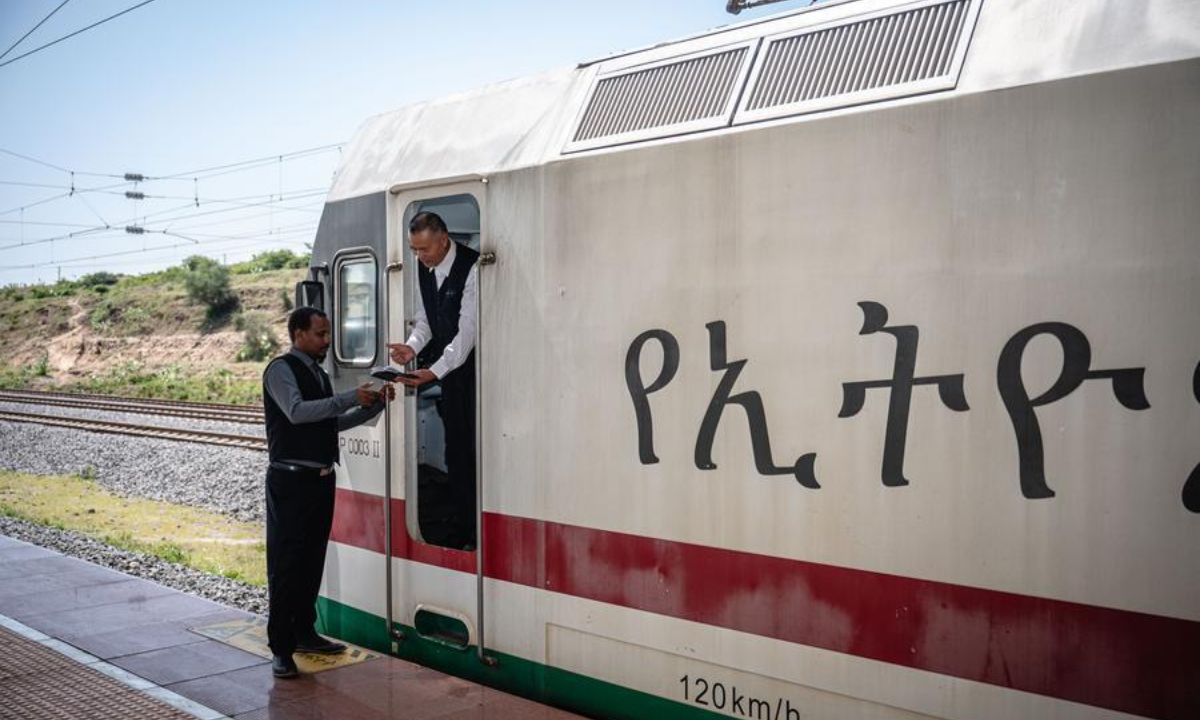
One reason China's influence has grown is that its development model is highly visible. From Ethiopia's railways to Pakistan's power plants, Chinese-financed projects address everyday development challenges by improving transport, energy security and connectivity. Through the Belt and Road Initiative, China has mobilized nearly 1 trillion U.S. dollars in infrastructure investment, producing projects that citizens can see, use and associate with economic progress.
The distinction lies not only in the scale of investment but also in the evolving priorities of development cooperation. While many Western partners have increasingly emphasized economic security, strategic de-risking, private-sector mobilization and governance reform, China has combined large-scale investment in physical infrastructure with technology transfer, industrial cooperation and human capital development.
At the same time, China has actively promoted trade by expanding market access, including granting zero-tariff treatment to many least-developed countries, deepening currency-swap arrangements, and encouraging the use of local currencies in cross-border trade. Together, these measures seek to strengthen economic connectivity, reduce transaction costs and exchange-rate risks, and create new opportunities for developing countries to integrate into regional and global value chains.
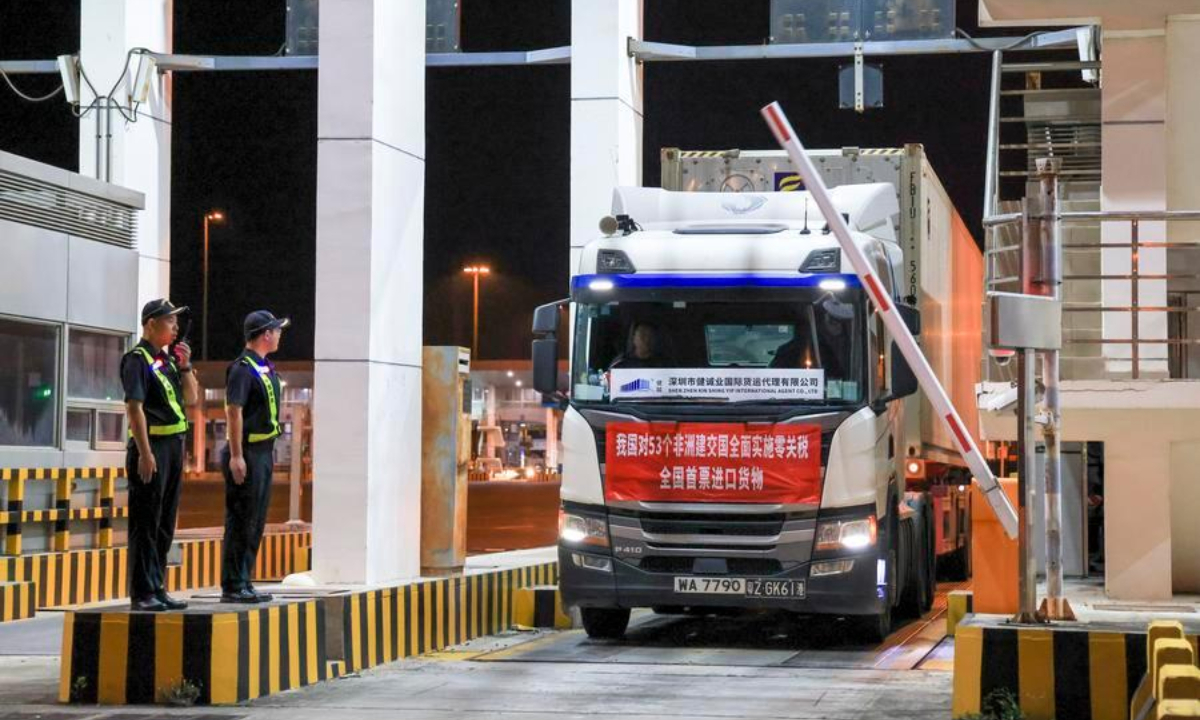
This integrated approach has produced tangible improvements in productivity, connectivity and local capacity, reinforcing perceptions of China as a long-term development partner.
Equally important is the philosophy underpinning China's engagement. Beijing consistently emphasizes sovereignty, mutual respect and non-interference, maintaining that every country should determine its own political and development path. For many governments across the Global South, this approach is a partnership based on equality rather than political conditionality, allowing them greater policy space to pursue domestic development priorities.
Diplomatic style has also influenced perceptions. Through mechanisms such as the Forum on China-Africa Cooperation and regular engagement with Pacific Island countries, China has committed itself to equality and shared development. For many governments in the Global South, that sense of respect and recognition is not merely symbolic -- it contributes to long-term political trust.
Perhaps the most important nuance is this: the Global South is not becoming anti-American; it is becoming strategically pragmatic. Its foreign policy decisions are increasingly guided by national interests, economic opportunity, and development priorities rather than Cold War-style geopolitical alignment.
The Global South's primary ambition is neither ideological nor geopolitical -- it is developmental. Governments want to create jobs, eliminate poverty, modernize infrastructure, strengthen industrial capacity and improve the quality of life for their citizens. China's transformation over the past four decades, from lifting hundreds of millions of people out of poverty to becoming a global leader in infrastructure, manufacturing and technology, has demonstrated what sustained long-term planning can achieve. Consequently, many developing countries are looking to China not as a model to replicate wholesale, but as a development partner from which they can learn, cooperate and pursue shared prosperity while preserving their own policy autonomy.
This contrast is also reflected in broader policy priorities. At a time when many Western governments are increasingly emphasizing tariffs, export controls, technology restrictions, sanctions and economic security, China has continued to promote infrastructure investment, trade, industrial cooperation, technology partnerships, open-source AI initiatives and greater access to its domestic market. Whether one agrees with either approach or not, many developing countries evaluate partnerships primarily through the lens of economic development and tangible outcomes. That difference in emphasis is helping reshape global perceptions.
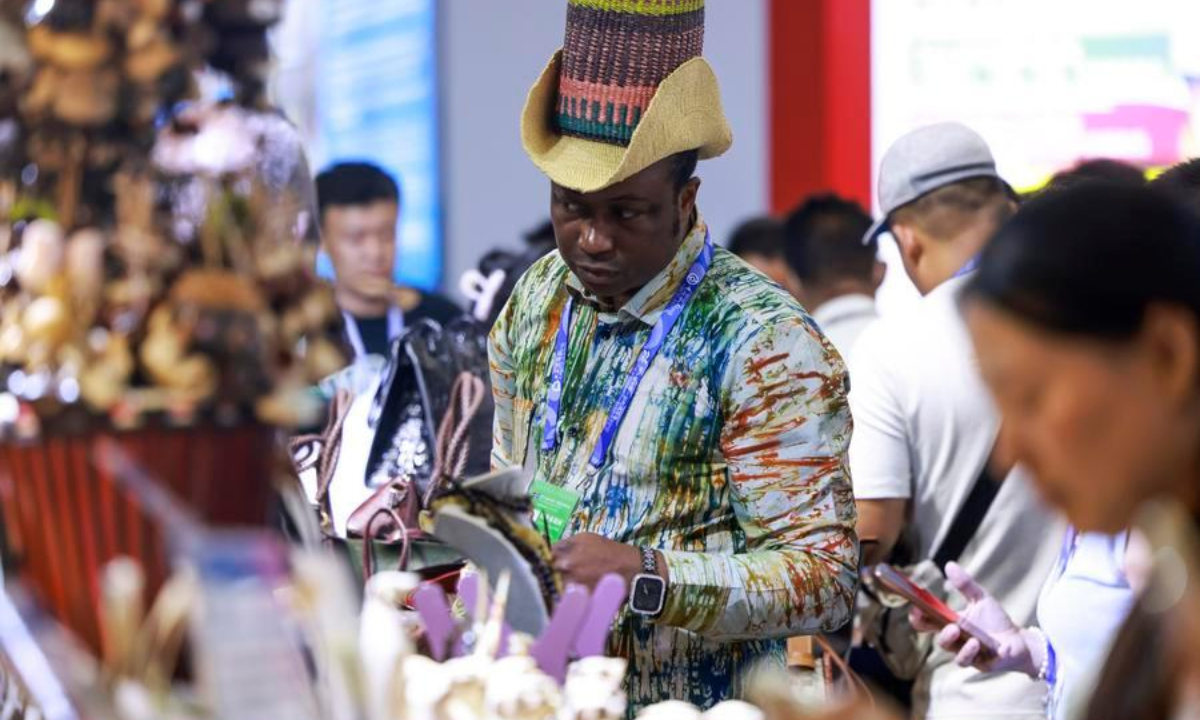
The world is changing, and the transition toward a more multipolar international order is becoming increasingly evident. The Global South is no longer a passive participant in world affairs. Its countries are exercising greater strategic autonomy, making decisions according to their own national interests, development priorities and the aspirations of their people. In China, developing countries have found a true friend and good partner.
Editor's note: Maya Majueran serves as the director of the Belt and Road Initiative Sri Lanka, an independent and pioneering organization with strong expertise in Belt and Road Initiative advice and support.
。7月23日,巫山县民政局、县慈善会、县福彩工作站联合发起“益路同行”关爱一老一小公益项目,将福彩“扶老、助残、救孤、济困”的初心使命转化为看得见、摸得着的民生温暖。本次活动聚焦“关爱少年”与弘扬敬老爱老传统美德两大主题,组织城区60余名孤儿、事实无 人抚养儿童(含自愿报名的居住适龄对象),走进巫峡镇敬老院、红叶养老服务中心。孩子们化身小小志愿者,认真为院内老人整理房间、打扫卫生,用稚嫩的行动陪伴长者,在实践中传承敬老孝亲的传统美德。与此同时,依托福彩公益金支持,主办方为每一名孤儿、事实无人抚养儿童发放500元困难生活帮扶金,以银行转账方式直达个人账户,精准为困境少年纾解生活压力,守护孩子们的成长之路。一老一小,一头连着夕阳安稳,一头牵着朝阳希望。此次巫山公益行,是重庆福彩责任宣传周的生动缩影,既营造出全社会关心关爱“一老一小”特殊群体的浓厚氛围,也以实地行动展现责任福彩担当,引导更多社会力量主动投身公益事业,涵养互帮互助、崇德向善的文明风尚,以点滴善意促进社会和谐,让福彩公益之光照亮巴渝大地。
Current article:http://hke.cengzaodengchawonin.cyou/list_dw3ej/67xcx9.html
Published on:03:23:45
下载地址2:点击进入迅雷高速下载 温馨提示:邀请好友一起下,可提高下载速度,若遇无法下载,可另选时间尝试或重装软件!
下载方法:安装软件后,点击即可下载,谢谢大家支持,欢迎每天来!